











Oil flows through Hormuz will take time to recover, banks say
A recovery in oil flows through the Strait of Hormuz and oil production following the U.S.-Iran interim peace deal will take time, potentially several months, analysts at two banks said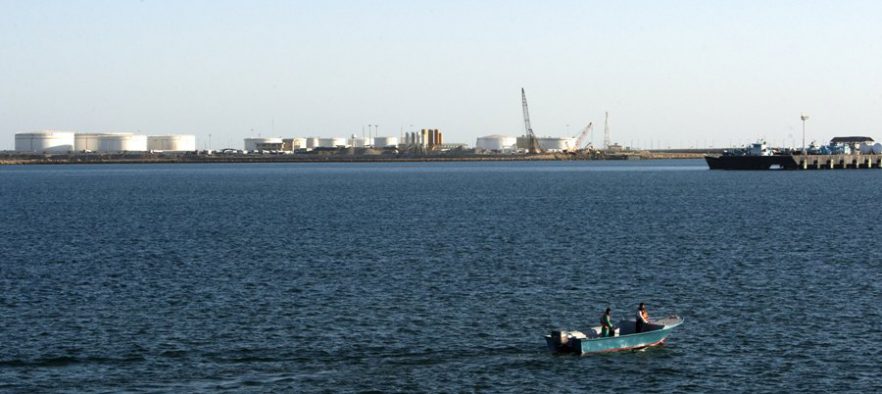
A recovery in oil flows through the Strait of Hormuz, and oil production following the U.S.-Iran interim peace deal will take time, potentially several months, analysts at two banks said.
Shipments through the Strait, through which about a fifth of global oil supply passes, were disrupted during the Iran conflict, sending oil prices sharply higher. Brent crude rose to as much as $126 a barrel in April, a four-year high.
Goldman Sachs said it expects Middle East Gulf exports to normalise to pre-war levels by the end of July, and crude production to recover by October.
While ship availability is not a binding constraint on exports, cautiousness by shipowners could limit them, it said.
"We see shippers’ risk aversion as a potential constraint on the flows, along with Iran’s geopolitical goals over the upcoming 60-day nuclear deal negotiations," the bank said in a June 17 report.
BNP Paribas said that even in a best-case scenario, it would take several months for oil flows to normalise, and that this would require producers to bring back about 12 million barrels per day of shut-in production.
Bank of America said clearing mines would likely take months, not days, given logistical challenges, adding that oil markets could remain in deficit until the fourth quarter of 2026.