




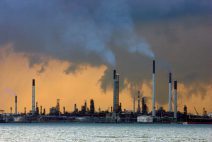

Iran declares Strait of Hormuz ‘completely open’ for remainder of truce
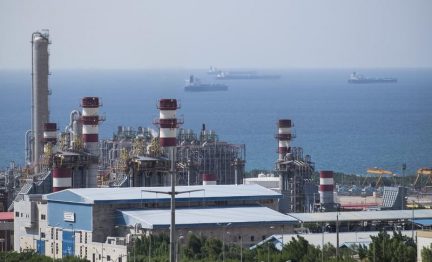
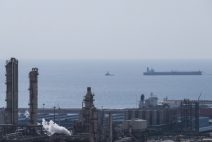
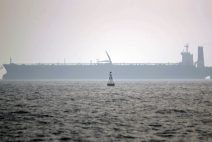
Iran said the Strait of Hormuz will remain “completely open” until the end of the ceasefire with the United States next Wednesday, following the start of a truce in Lebanon
BP said market conditions and oil price volatility driven by the war in Iran will affect its financial results for the first quarter of the year. The company expects an exceptional result in oil trading during the first three months of 2026
OPEC oil production plunged in March to its lowest level since the height of the COVID-19 pandemic in June 2020, a Reuters survey showed, as the U.S.-Israeli war against Iran effectively shut the Strait of Hormuz and forced export cuts
The United States Coast Guard will allow a Russian tanker to deliver more than 700,000 barrels of crude oil to Cuba, easing months of restrictions imposed by Washington on fuel shipments to the island
The U.S. Court of Appeals for the Second Circuit accepted Argentina’s emergency request to halt the discovery process related to enforcing a 2023 judgment issued by New York District Judge Loretta Preska
The U.S. government will hold an auction for oil and gas drilling rights in the National Petroleum Reserve in Alaska, the first since 2019, in what marks the latest test of industry interest in developing resources in the state
Spain has approved the release of up to 11.5 million barrels from its oil reserves over a 90-day period to counter supply shortages caused by the partial closure of the Strait of Hormuz
The International Energy Agency (IEA) agreed to release 400 million barrels from its strategic oil reserves, the largest amount to date, as governments seek to contain the surge in energy prices triggered by the war in the Middle East
The war in Iran is currently cutting about 15 million barrels per day (bpd) of oil and refined products from the Gulf to global markets, which could push crude prices to $150 per barrel, research and consulting firm Wood Mackenzie said
G7 countries signaled their readiness to take “all necessary measures” to stabilize hydrocarbon markets, whose prices have surged due to the war in the Middle East, including the possibility of tapping strategic reserves