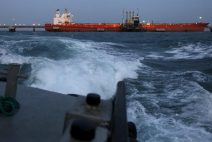
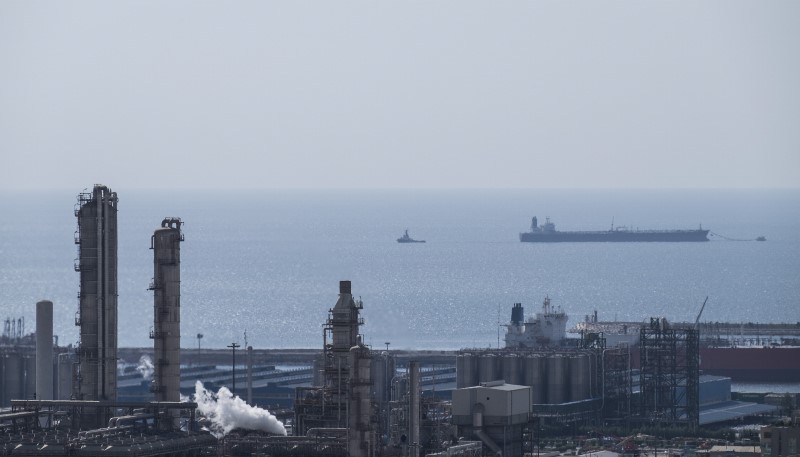
The US and Iran moved closer to an interim peace agreement meant to reopen the Strait of Hormuz and help end a war that has damaged the global economy and caused chaos in the Middle East.
US President Donald Trump canceled imminent airstrikes on Iran on Thursday, saying negotiators had made progress on a deal. The countries may sign an agreement on the sidelines of the Group of Seven world leaders summit next week, according to senior officials familiar with the matter.
Yet for all the progress, Iran said it still needs to make a final decision. There was little clarity as to what the text of the so-called memorandum of understanding will contain, with the warring sides giving conflicting descriptions.
Trump wants to ensure he can present the deal as a win to Iran hawks as well as to the American public that has increasingly turned against the war, started in late February with a US-Israeli bombardment of the Islamic Republic.
This year’s G7 summit takes place in Evian, in the French Alps, from June 15 to June 17. Geneva, Switzerland, is nearby and being floated as a potential location for the signing as soon as Sunday, according to people familiar with the plans.
Underscoring the still-high tension between Washington and Tehran, Trump denied and vented his frustration about Iranian media reports, some of which said the US will unfreeze more than $20 billion of Iranian funds held in other countries.
One person familiar with the deliberations, asking not to be named discussing sensitive matters, said the MOU will be open to interpretation in certain areas, including what the reopening of the Hormuz Strait would mean in practice. While Trump said ships will have free passage, Iranian media suggested the Islamic Republic will still have a degree of control.
Iran and perhaps other states near the strait — a vital chokepoint for flows of oil, liquefied natural gas and other commodities — will be able to oversee the waterway’s security to some extent, one diplomat briefed on the negotiations over the MOU said.
Another senior US official said it was a performance-based agreement. The main points beyond the Strait being reopened, according to the official, are that Iran will relinquish or destroy its stockpiles of highly-enriched uranium, dismantle its nuclear program, and receive no money until it fulfills parts of the arrangement.
The interim peace deal will see the US and Iran extend their ceasefire by around two months and go into further negotiations over the Islamic Republic’s nuclear program. The US would lift its blockade of Iranian ports.