A total of 17 commodity vessels transited the Strait of Hormuz over the weekend, down from 37 a week earlier, shipping data showed, as tension in the Gulf persisted with the US and Iran in stalemate.
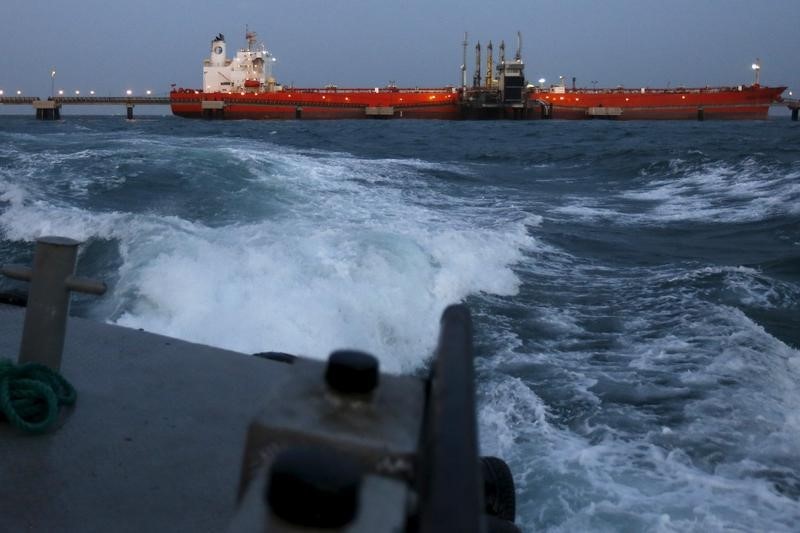
Visible traffic through the strait, the conduit for a fifth of the world's oil and liquefied natural gas before the war, has dwindled to a trickle. However, Middle Eastern producers continue to export oil on tankers travelling with their transponders off.
Among trackable ships, five vessels exited the strait on Sunday, while another two small-sized oil tankers entered the Gulf, provisional data from analytics firm Kpler showed as of 0706 GMT.
The vessels that exited were the very large crude carrier Pinios, two tankers carrying refined oil products, and two empty carriers for bulk goods and gas.
The Pinios was transferring 2 million barrels of Iraqi Basrah crude oil off the United Arab Emirates' Fujairah to another VLCC, New Constant, which is expected to head to China, Kpler and LSEG data showed.
Dynacom, which manages the Pinios, and Associated Maritime Co HK Ltd, manager of New Constant, did not immediately respond to requests for comment.
On Saturday, eight vessels, including a supertanker, left the Gulf carrying crude, agricultural and petroleum products, liquefied natural gas, liquefied petroleum gas and fertiliser, while a very large gas carrier and a VLCC entered, the data showed.
The Shandong Redwood LNG tanker, carrying a cargo loaded from Qatar's Ras Laffan port, exited the Hormuz strait on September 19 and is heading to Pakistan, data from Kpler and LSEG showed. Its manager Shandong Marine Energy did not immediately respond to a request for comment.
Before the US-Israeli war with Iran started on February 28, the Hormuz strait typically handled about 125 large commercial vessels per day, including tankers, gas carriers, bulkers and container vessels.