The world may need to reduce oil and gas consumption if the Strait of Hormuz remains closed much longer due to the U.S.-Israeli war on Iran, Dallas Federal Reserve President Lorie Logan said.
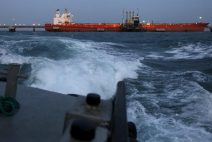
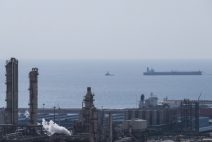
Iran has restricted shipping through the strait during the three-month conflict, pushing up energy, food, and fertilizer prices. Around a fifth of the world's oil and liquefied natural gas passed through the narrow waterway before the war.
"With supplies highly constrained, if shipping through the strait does not soon return to prewar levels, world oil and natural gas consumption could need to fall more meaningfully than it has so far," Logan said in remarks prepared for delivery to a Bank of Japan conference.
Logan said the economic consequences would depend on whether end users can switch to other energy sources or use energy more efficiently, versus curtailing economic activity.
U.S. oil executives in a recent Dallas Fed survey said they expect U.S. oil output to rise this year by only 250,000 barrels a day, and by only 500,000 barrels per day next year.
That compares with a reduction in the global oil supply of about 13 million barrels a day since the start of the Iran war, a shortfall now being largely made up by drawing down current inventories, Logan noted.
"One way or another, I expect energy markets to come into rough balance before too long," Logan said. "If the molecules aren't available, the world can't consume them."
Logan was one of three Fed policymakers who voted against last month's interest-rate decision because they felt the U.S. central bank should signal that, given rising energy and other prices, a rate hike is just as possible as a rate cut.