











Saudi Arabia’s oil exports increasingly rely on the Suez Canal
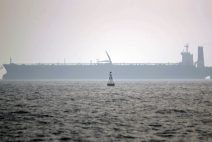
Saudi Arabia’s oil exports are becoming increasingly dependent on the Suez Canal as attacks in the Red Sea threaten a key alternative to the blocked Strait of Hormuz
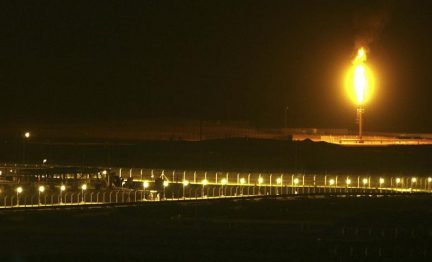
Saudi Arabia’s oil exports are becoming increasingly dependent on the Suez Canal as attacks in the Red Sea threaten a key alternative to the blocked Strait of Hormuz
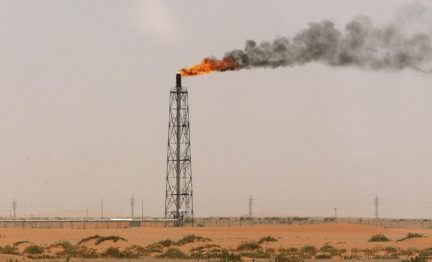
OPEC+ oil-producing countries will likely agree a further hike in output targets from September, even though the Iran war is again hindering some of its members from pumping more
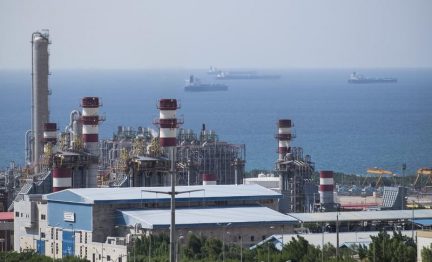
Gulf countries boosted crude oil and condensate exports in the first half of July to the highest levels since before the Iran war began in late February, shipping data showed, although flows through the Strait of Hormuz are now slowing as fighting escalates
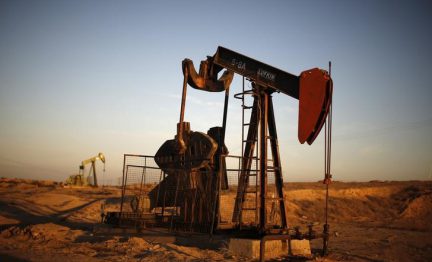
Brent crude, the European benchmark, rose 3.9% to $87.5 per barrel for September delivery as the conflict in the Middle East intensified

Goldman Sachs strategists say the physical oil market is tightening as renewed attacks on tankers in the Strait of Hormuz reverse an earlier recovery in Persian Gulf exports
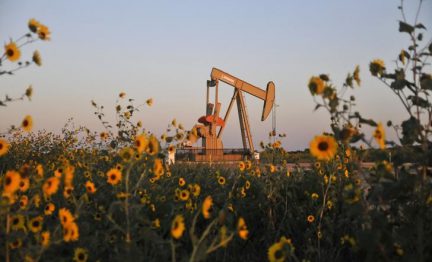
The U.S. Energy Information Administration raised its global oil production forecast after the reopening of the Strait of Hormuz following a June 18 agreement between the United States and Iran
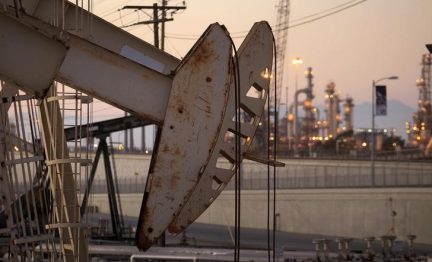
US Interio Department said it would lower state bonding requirements for wells to $25,000 per state, down from the $500,000 level established during the Biden administration
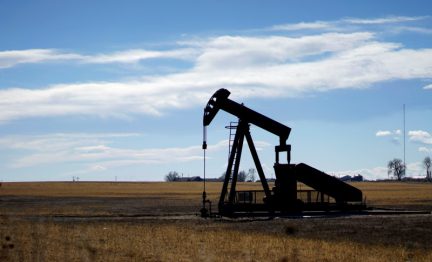
Oil prices retreated after the latest round of negotiations between the United States and Iran concluded in Switzerland, fueling expectations that additional Iranian crude could eventually return to the international market

The agreement to reopen the Strait of Hormuz has brought swift relief to global markets. However, some traders fear that the stock market rally and the decline in oil prices may have gone too far
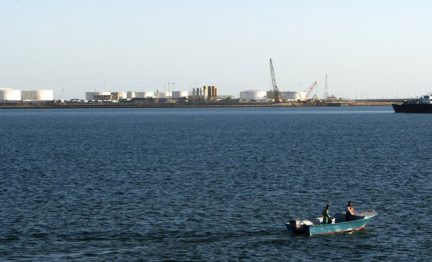
A recovery in oil flows through the Strait of Hormuz and oil production following the U.S.-Iran interim peace deal will take time, potentially several months, analysts at two banks said