




Brent stabilizes amid deadlock between US, Iran
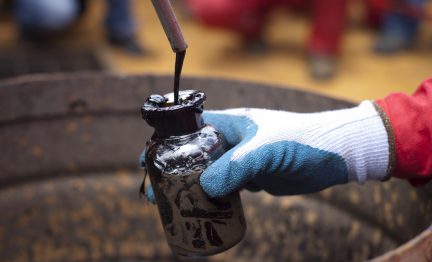
Brent crude rose 2.5% and appeared to stabilize around $100 per barrel, amid stalled negotiations between the United States and Iran
Brent crude rose 2.5% and appeared to stabilize around $100 per barrel, amid stalled negotiations between the United States and Iran
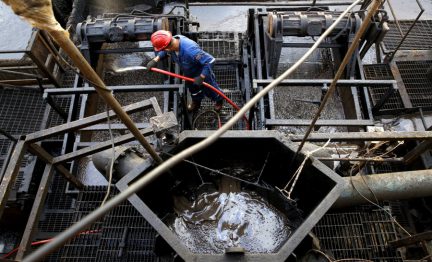
Seven leading OPEC+ oil-producing countries will likely agree to a modest hike to July output when they meet on June 7, four sources said, though delivery for several remains disrupted by the Iran war
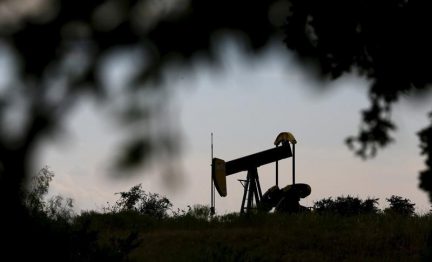
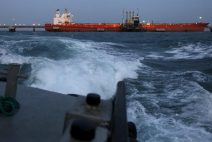
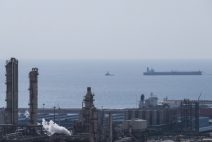
The United States reached record oil export levels, surpassing an average of 5 million barrels per day, following the blockade of the Strait of Hormuz, a route previously critical for 20% of global crude flows before traffic was halted by the Iran war

U.S. President Donald Trump said there is a possibility of resuming negotiations with Iran in Pakistan on Friday, after the ceasefire was extended indefinitely

International Energy Agency (IEA) Executive Director Fatih Birol warned that even if the Strait of Hormuz were to reopen immediately, it would take “a long time” to return to normal, with risks of rising inflation and slower economic activity
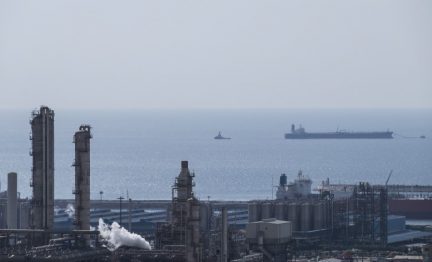
Iran will never hand over control of the Strait of Hormuz because it is an “inalienable right” of Tehran, said Ebrahim Azizi, a former commander of the Islamic Revolutionary Guard Corps (IRGC) and head of parliament’s National Security and Foreign Policy Committee
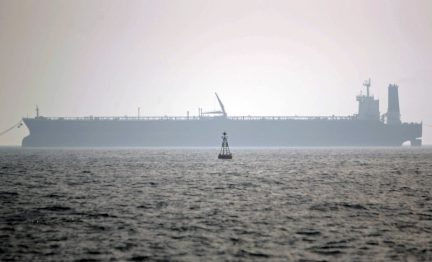
Iran said the Strait of Hormuz will remain “completely open” until the end of the ceasefire with the United States next Wednesday, following the start of a truce in Lebanon
BP said market conditions and oil price volatility driven by the war in Iran will affect its financial results for the first quarter of the year. The company expects an exceptional result in oil trading during the first three months of 2026
In recent years, refined fuel prices have been adjusted in line with that system, making this decision an exception in response to volatility driven by the war in the Middle East
Spain has approved the release of up to 11.5 million barrels from its oil reserves over a 90-day period to counter supply shortages caused by the partial closure of the Strait of Hormuz