








OPEC output slumps as conflict curbs Saudi flows
OPEC's crude oil production tumbled in August, snapping a two-month recovery, as output from group leader Saudi Arabia was curbed by threats to both of its export routes
OPEC's crude oil production tumbled in August, snapping a two-month recovery, as output from group leader Saudi Arabia was curbed by threats to both of its export routes, according to a Bloomberg survey.
Supplies from the Organization of the Petroleum Exporting Countries declined by 900,000 barrels a day last month to average 19.91 million a day, the survey showed. The drop in Saudi production was just over 1 million barrels, and marginally offset by gains in Iraq and Venezuela.
The relapse in OPEC's output — which had rebounded partially in June and July as producers managed to shuttle barrels out of the Persian Gulf — demonstrates the fallout from renewed hostilities between Washington and Tehran as a diplomatic resolution to their six-month conflict remains elusive.
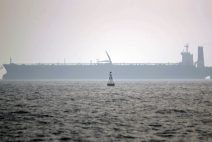
Saudi supplies are being squeezed on two sides, with escalating attacks on tankers in the Strait of Hormuz disrupting flows from the gulf, and threats from Yemen's Houthi rebels impeding exports via the Red Sea route that Riyadh has been using as a back-up.
Attacks claimed by the Houthis forced the kingdom to halt several energy facilities in the south of the country on Tuesday. The unrest is helping to push Brent crude futures toward $100 a barrel in London.
Saudi Arabia's crude production slumped by 1.12 million barrels a day in August to 6.98 million a day, the lowest level since May, Bloomberg's survey indicated. The kingdom's observed crude exports plunged by a third to 3.03 million barrels a day, according to provisional tanker-tracking data compiled by Bloomberg, Kpler and Vortexa.
The decline was fractionally offset by increases in Iraq — which added 270,000 barrels a day to average 2.98 million — and in Venezuela, which rose by 70,000 barrels to reach a seven-year high of 1.23 million a day, as the US exerts greater control over the country's oil industry.
The Latin America nation's tilt toward Washington is adding to strains on OPEC's unity.
President Donald Trump announced late last month an agreement that will see the US take majority control over a huge amount of Venezuela's oil wealth, and people familiar with the matter say Caracas is closely examining leaving OPEC — just months after the shock departure of the United Arab Emirates.
At the weekend, a sub-group of major OPEC+ members agreed to stick with a plan to keep output targets unchanged in October, following a series of symbolic quota increases. That sequence of hikes nominally completed the reversal of cutbacks made in 2023, though the blockage of Hormuz is hindering actual increases.
The next priority for the alliance is an audit of how much each member can physically produce, to be used in calculating members' production limits for 2027. The review is to be completed at the end of this month, and then considered by oil ministers when they meet in late November.