As the sun sets on 2025, the oil market is heading for its steepest annual decline since 2020, when COVID-19 crushed demand. According to an analysis by Invezz, oil has had a difficult year in the commodities complex amid concerns about a serious oversupply in the coming months.
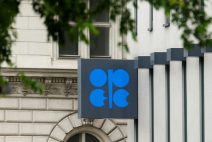
Against this backdrop, all eyes will be on the Organization of the Petroleum Exporting Countries and its allies in 2026, and on how the cartel manages its decision-making process to balance a volatile market.
Most experts believe OPEC+ is likely to keep oil production unchanged well into 2026.
“OPEC will likely keep oil production levels frozen well into 2026,” said Mark Temnycky, a non-resident fellow at the Atlantic Council’s Eurasia Center, told Invezz.
The oil market is also facing a sizable oversupply next year, which is likely to keep prices under pressure.
OPEC+’s main reason for significantly increasing oil production—by 2 million barrels per day since April—was to regain lost market share, and this supply expansion is the primary factor contributing to the current oversupply.
Despite the recent announcement of a pause in production increases for the first quarter of 2026, OPEC+ is expected to continue attempting to unwind its remaining voluntary production cuts thereafter.
“This could bring an additional one million barrels per day to the market next year,” said Carsten Fritsch, commodities analyst at Commerzbank AG, in a report.
Oil supply is expected to significantly exceed demand next year, leading to a substantial surplus.
The International Energy Agency (IEA) forecasts demand growth of about 700,000 barrels per day, a pace consistent with the current year.
Slower growth in oil demand in China has significantly dampened overall demand growth in recent years. This oversupply is expected to lead to a build-up in inventories.
“The fact that commercial oil stocks in OECD countries have only risen slightly so far and remain below the five-year average is mainly due to stockpiling in China,” Fritsch said.
OPEC’s strategy for next year will depend on several factors, including cohesion among its members.
“In 2026, OPEC will be concerned about maintaining a sense of unity among its members, as preserving OPEC cohesion is more important than trying to raise prices quickly,” said Ethan Heine, president and CEO of Suntrek Solar, told Invezz.
Even if a peace agreement between Russia and Ukraine comes into effect, the group will remain cautious in its market approach because it is increasingly difficult to predict when supply shocks might occur, and there are many conflicting signals coming from different parts of the world regarding oil demand.
According to Heine, the most straightforward way to ensure alignment among member states remains restricting oil production.
This strategy is especially critical given that global inventory levels remain vulnerable to geopolitical events and the inherent risks of oil transportation.
According to Temnycky, the cartel is likely to halt production increases beyond the first quarter of 2026.
The group expects an oversupply exceeding one million barrels per day. This surplus is driven mainly by production growth outside OPEC, particularly from U.S. shale oil and Guyana.