








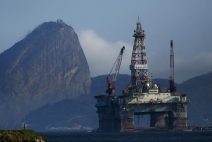


OPEC raises 2027 oil demand view, citing need to rebuild stocks
OPEC raised its forecast for world oil demand growth in 2027, citing the need for the world to rebuild inventories that have been depleted by the Iran war

OPEC raised its forecast for world oil demand growth in 2027, citing the need for the world to rebuild inventories that have been depleted by the Iran war
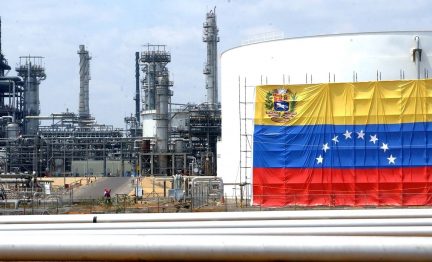
Venezuela is considering withdrawing from the Organization of the Petroleum Exporting Countries (OPEC), a move that could further weaken the oil group’s influence over global crude markets

OPEC oil output rose further in July, a Reuters survey found, as Gulf members restored supplies that were shut due to the Iran war and effective closure of the Strait of Hormuz

OPEC+ said that seven of its key members agreed to raise oil production by 188,000 barrels per day (bpd) in September as part of ongoing efforts to support market stability
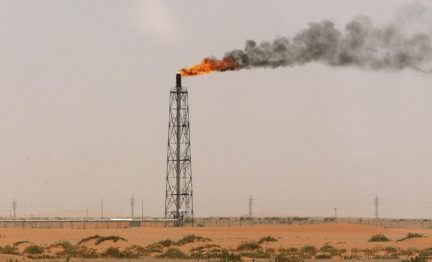
OPEC+ oil-producing countries will likely agree a further hike in output targets from September, even though the Iran war is again hindering some of its members from pumping more
OPEC lowered its forecast for world oil demand growth in 2026 to 780,000 barrels per day, a copy of its monthly report showed, marking the third straight downward revision
OPEC+ oil-producing countries will likely agree on a further hike in their output targets from August when they meet on Sunday, adding to supply at a time of falling prices as the Strait of Hormuz gradually reopens
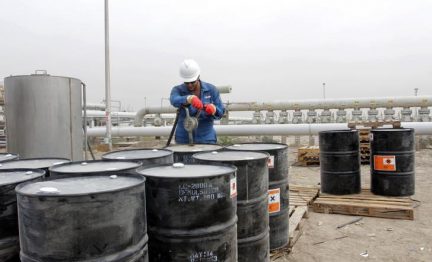
es walk away less than two months ago.
Iraq is the group’s second-largest producer after Saudi Arabia and one of its five founding members. OPEC was formed in the Iraqi capital in 1960

A large supply surplus in 2027 could “provide a welcome respite to the market and an opportunity to replenish depleted inventories, or to build new strategic reserves,” the IEA said
The current forecast reduced the expected oil demand growth this year from 1.17 million barrels per day as previously seen. For 2027, OPEC expects oil demand to rise by 1.73 million bpd,