

OPEC+ members agree to increase September output quotas
OPEC+ said that seven of its key members agreed to raise oil production by 188,000 barrels per day (bpd) in September as part of ongoing efforts to support market stability
OPEC+ said that seven of its key members agreed to raise oil production by 188,000 barrels per day (bpd) in September as part of ongoing efforts to support market stability
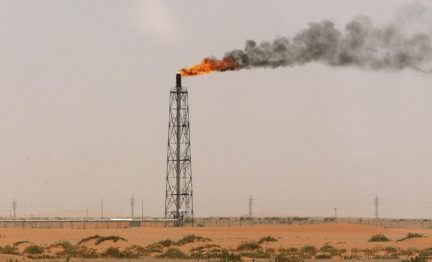
OPEC+ oil-producing countries will likely agree a further hike in output targets from September, even though the Iran war is again hindering some of its members from pumping more
OPEC+ oil-producing countries will likely agree on a further hike in their output targets from August when they meet on Sunday, adding to supply at a time of falling prices as the Strait of Hormuz gradually reopens
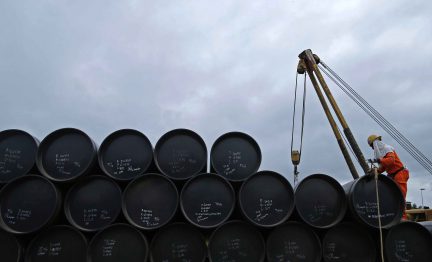
OPEC expects robust oil demand growth and is not changing its estimates, Secretary General Haitham Al Ghais said, despite the Middle East conflict and closure of the Strait of Hormuz
Another quota increase would show the group is approaching business as usual despite the disruption caused by the Strait of Hormuz closure and the unexpected exit in May of the United Arab Emirates
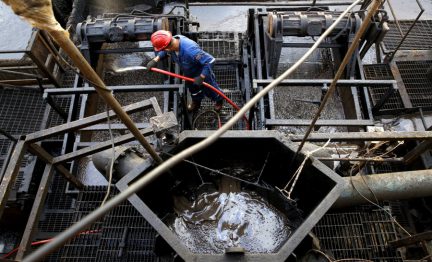
Seven leading OPEC+ oil-producing countries will likely agree to a modest hike to July output when they meet on June 7, four sources said, though delivery for several remains disrupted by the Iran war
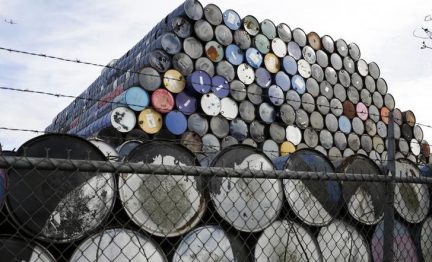
Leading OPEC+ members plan to continue monthly oil quota hikes through September to complete the restoration of production cuts implemented in 2023
A survey found that crude output from the 12 members of the Organization of the Petroleum Exporting Countries fell by 830,000 barrels per day (bpd) in April from the previous month to 20.04 million bpd
The United Arab Emirates said it was quitting OPEC, dealing a blow to the oil producers’ group as an unprecedented energy crisis caused by the Iran war exposes discord among Gulf nations
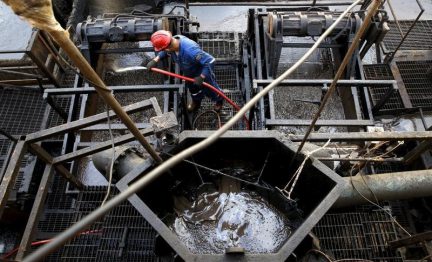
The OPEC+ alliance agreed to increase oil production by 206,000 barrels per day, a largely symbolic move as the increase cannot be implemented while the war in Iran and the blockade of the Strait of Hormuz persist