International Energy Agency (IEA) Executive Director Fatih Birol warned that the current situation is “very serious” and exceeds the energy crises of the 1970s, amid the blockade of the Strait of Hormuz and attacks on energy infrastructure in the Middle East.
Speaking at the National Press Club in Canberra, Birol said the current crisis amounts to “two oil crises and a gas collapse combined,” referring to the 1973 and 1979 energy shocks triggered by Middle East embargoes and production cuts, representing a “greater threat” to the global economy.
“No country will be immune if the situation continues in this direction,” he stressed during his one-day visit to Australia, where he is also scheduled to meet Prime Minister Anthony Albanese before continuing his tour of Asia.
Birol warned of damage to the regional energy sector, noting that at least 40 facilities have been “seriously or very seriously” affected across nine countries, increasing uncertainty over supply.
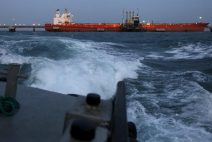
The IEA chief emphasized that reopening the Strait of Hormuz—a key route through which around 20% of global oil and gas trade flows—is the main way to ease energy tensions.
The maritime corridor has remained largely blocked following U.S. and Israeli attacks on Iran on February 28.
In this context, U.S. President Donald Trump has demanded that Tehran fully reopen the strait, under threat of targeting Iranian power infrastructure.
Iran, for its part, has warned that if its energy network is attacked, it will retaliate against energy facilities and desalination plants across the Middle East.
The impact is already being reflected in markets, with crude prices rising above $100 per barrel in early Monday trading.
The IEA chief called for international cooperation to prevent further deterioration and urged a swift resolution to the conflict, warning of far-reaching global economic consequences.