









Brent jumps 3.9% to $87.5/bbl as Middle East conflict escalates
Brent crude, the European benchmark, rose 3.9% to $87.5 per barrel for September delivery as the conflict in the Middle East intensified
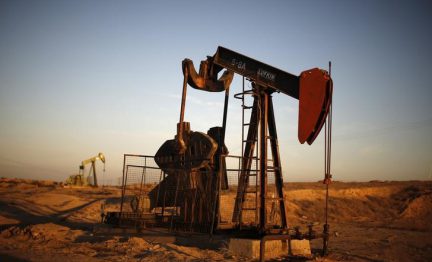
Brent crude, the European benchmark, rose 3.9% to $87.5 per barrel for September delivery as the conflict in the Middle East intensified
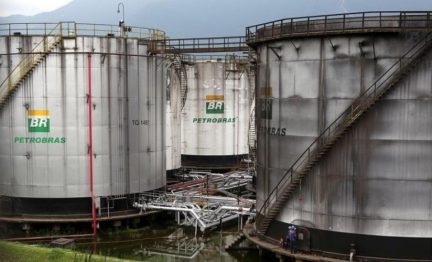
Oil prices appear to have settled into a range of $72 to $75 a barrel, although the market has yet to fully normalize and the conflict in the Middle East continues to create uncertainty, the chief executive officer of Brazil’s state-run oil firm Petrobras
J.P. Morgan reduced its price outlook for Brent crude oil in the second half of 2026, citing weaker commercial inventory withdrawals and softer oil demand than previously anticipated
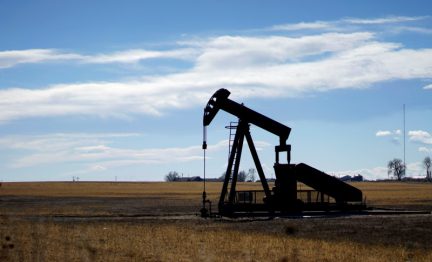
Oil prices retreated after the latest round of negotiations between the United States and Iran concluded in Switzerland, fueling expectations that additional Iranian crude could eventually return to the international market

The agreement to reopen the Strait of Hormuz has brought swift relief to global markets. However, some traders fear that the stock market rally and the decline in oil prices may have gone too far
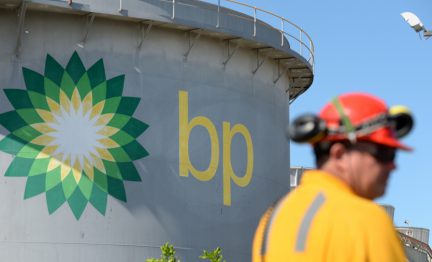
BP said market conditions and oil price volatility driven by the war in Iran will affect its financial results for the first quarter of the year. The company expects an exceptional result in oil trading during the first three months of 2026
Brent crude is set to average more than $100 a barrel through 2026 if the Strait of Hormuz remains closed for another month, according to Goldman Sachs
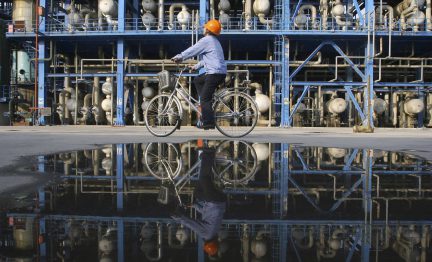
In recent years, refined fuel prices have been adjusted in line with that system, making this decision an exception in response to volatility driven by the war in the Middle East
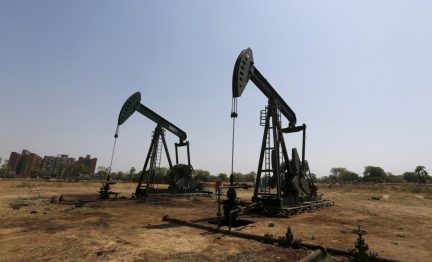
International Energy Agency (IEA) Executive Director Fatih Birol warned that the current situation is “very serious” and exceeds the energy crises of the 1970s, amid the blockade of the Strait of Hormuz and attacks on energy infrastructure in the Middle East
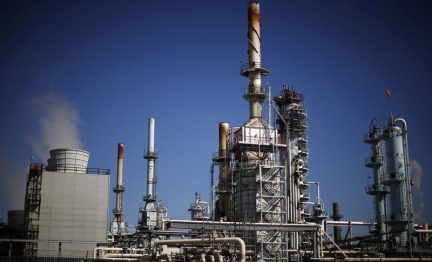
The International Energy Agency (IEA) agreed to release 400 million barrels from its strategic oil reserves, the largest amount to date, as governments seek to contain the surge in energy prices triggered by the war in the Middle East