





















Russia oil output risks fresh decline as Ukraine steps up attacks
Russia's crude oil output risks falling again as Ukrainian attacks on refineries and export infrastructure intensify, analysts and traders say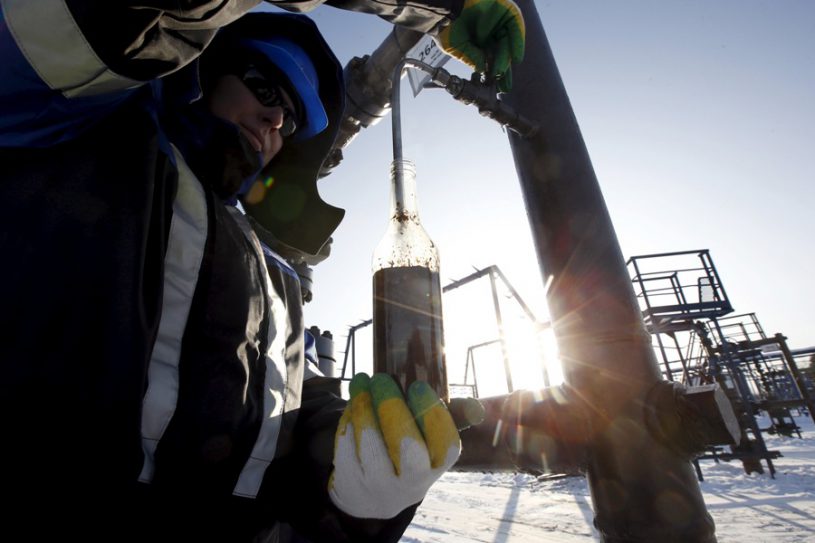
Russia's crude oil output risks falling again as Ukrainian attacks on refineries and export infrastructure intensify, analysts and traders say.
Russia is the world's third-largest oil producer and second-largest exporter. Any renewed decline in output could further tighten a global market already strained by curbs on Iranian exports and disruptions to key shipping routes.
Ukrainian drone attacks have slashed Russian refineries' combined crude-processing volumes by 45% since late October, Reuters reported.
According to the International Energy Agency, Russia's crude production rose by 210,000 barrels per day in October to 8.73 million bpd. It was the first monthly increase since output began declining in spring.
UBS analyst Giovanni Staunovo said the recovery may not last. Renewed attacks may reverse the gains by curbing crude production and reducing refined-product exports if strikes on energy facilities continue.
Energy Aspects' Mercedes McKay said a brief lull in Ukrainian refinery attacks in October was too short to deliver a meaningful recovery in upstream output. Her data showed Russian crude and condensate production was 9.2 million bpd last month, down from 10.3 million bpd in January 2026.
A sustained recovery would require refineries to operate for longer periods without disruption, she said.
Ukraine has heavily targeted Russia's energy export infrastructure since the spring. In October, Kyiv paused refinery strikes for nearly two weeks after US President Donald Trump said both sides had agreed to spare each other's energy facilities. Both sides resumed attacks at the end of the month.
This month, Ukraine has hit at least seven major refineries, an export terminal and several pipelines. Recent strikes included Ust-Luga, one of Russia's main Baltic oil export hubs. Similar attacks in the spring disrupted exports from the port for weeks.
McKay said export bottlenecks were also limiting the scope for a recovery in production.
Traders had expected Baltic and Black Sea crude exports to fall by 100,000 to 200,000 bpd in November as refineries increased processing rates. After the latest attacks, however, they now expect any decline to be driven by reduced export capacity rather than stronger domestic demand from refiners.
Exports from the Black Sea port of Novorossiysk have also been disrupted by persistent drone attacks in the area, traders said.
The combined effect is likely to increase crude oil inventories and could ultimately force fresh production cuts, they added.