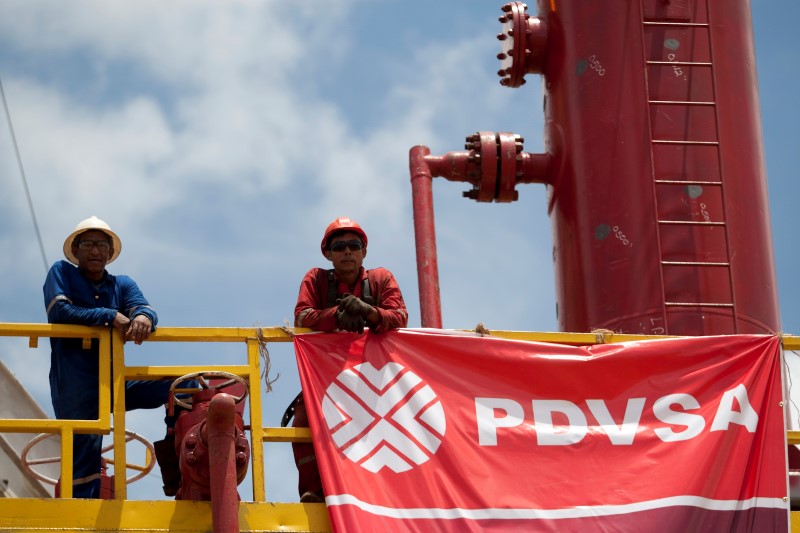
Venezuela’s state oil company PDVSA has begun storing crude oil and fuels on tankers as onshore inventories rise amid U.S. seizures of vessels linked to Venezuela, according to company documents and maritime data.
The U.S. Coast Guard intercepted the vessels Skipper and Centuries in the Caribbean Sea this month, both fully loaded with Venezuelan crude, and this week was pursuing a third, empty vessel approaching the coast of the OPEC member country.
Actions against some tankers from the so-called “shadow fleet” that transports sanctioned oil, combined with a blockade announced by President Donald Trump on all vessels subject to U.S. sanctions, have deterred many shipowners and left more than a dozen cargoes stranded in Venezuelan waters awaiting departure.
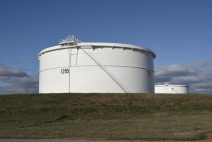
The growing bottleneck—at a time when PDVSA is producing around 1.1 million barrels of crude per day—is rapidly filling the company’s onshore tanks, particularly at the José terminal in eastern Venezuela, which receives extra-heavy crude from the country’s main producing region, the Orinoco Belt, according to the documents.
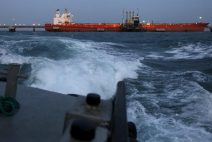
PDVSA began transferring part of those inventories to tankers last weekend, maritime data and company documents showed, a strategy it has previously used to avoid cutting oil production.
Because Chevron, PDVSA’s main partner in joint ventures, has not halted exports of the crude grades they produce together, most inventories in western Venezuela—where storage capacity is very limited—are near normal levels, according to the documents.
However, Chevron accounts for only a quarter of the crude produced at blending stations and upgraders in the Orinoco Belt, or about 130,000 bpd.
PDVSA typically exports the remaining three quarters to China, which has been the destination for about 80% of Venezuela’s crude exports this year.
As oil exports stabilized and increased through November, PDVSA’s crude and diluent inventories at José had fallen to about 9 million barrels last month from a peak of 17 million barrels earlier in the year. By mid-December, however, they had risen again to more than 10 million barrels, according to the documents.