










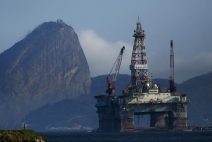



Argentina vows to appeal US ruling on YPF
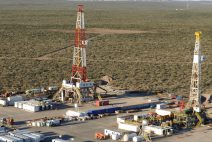
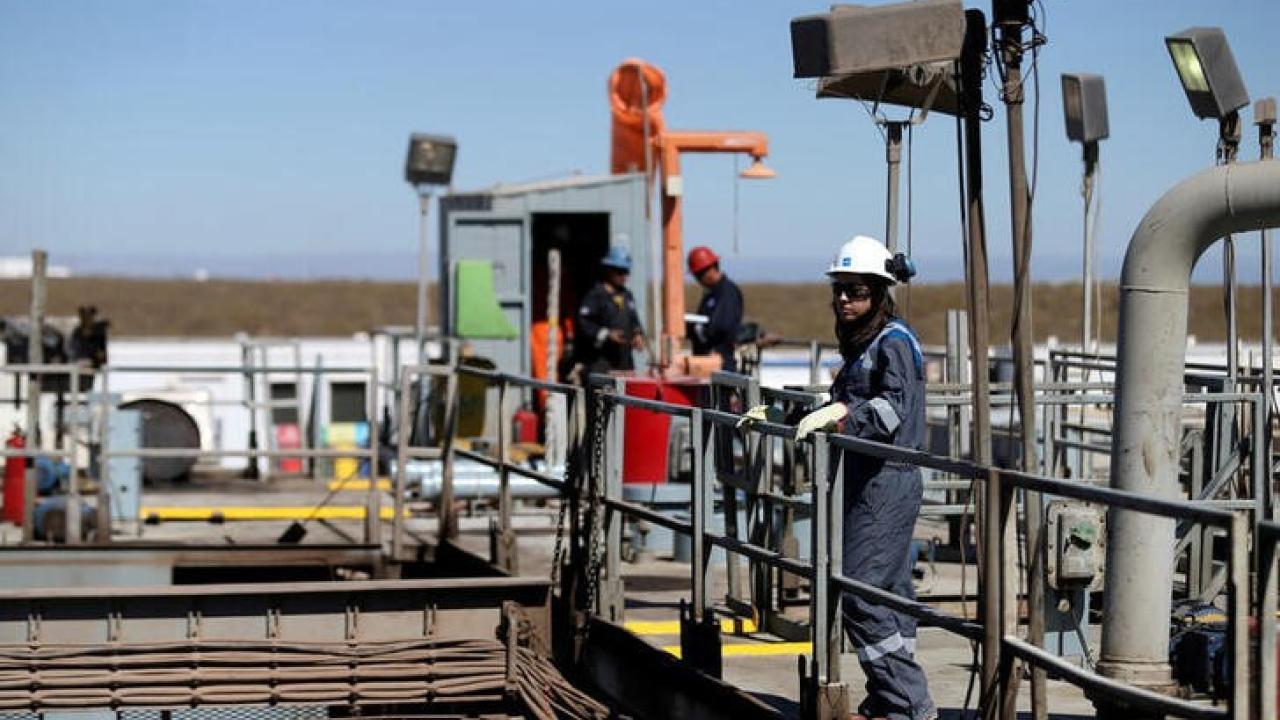
Argentina will appeal the ruling of a court in New York that ordered the South American country to transfer 51% of the shares of the national oil and gas company YPF, said President Javier Milei

Argentina will appeal the ruling of a court in New York that ordered the South American country to transfer 51% of the shares of the national oil and gas company YPF, said President Javier Milei
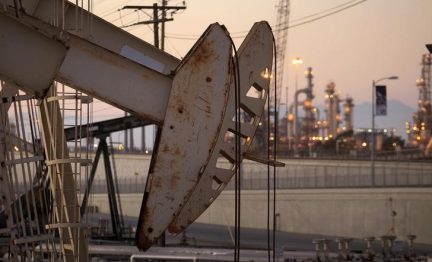
U.S. crude oil production hit a record 13.47 million barrels-per-day in April, up from 13.45 million bpd in March, according to data released by the Energy Information Administration
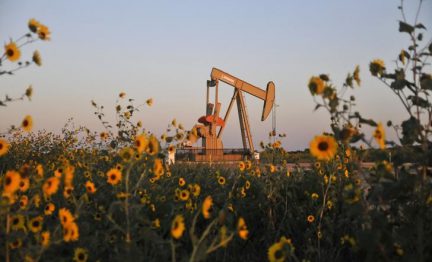
U.S. crude oil inventories fell, while gasoline and distillate stocks rose during the week ending June 6, the Energy Information Administration (EIA) reported
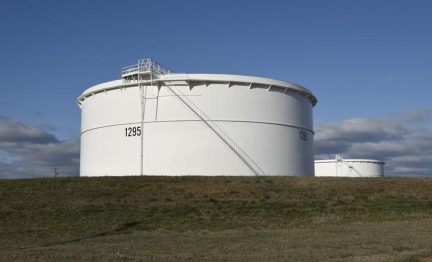
U.S. crude oil stockpiles rose unexpectedly last week as imports jumped, while both gasoline and distillate inventories fell more than expected, the Energy Information Administration said
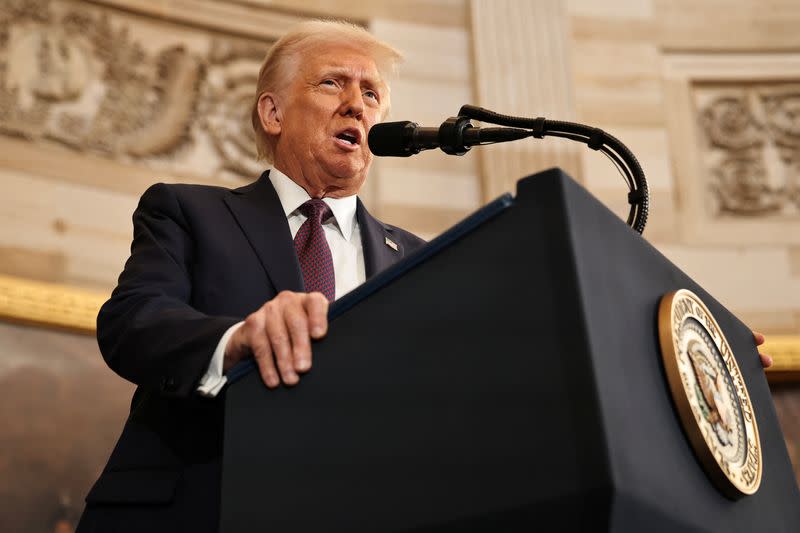
The United States issued new sanctions targeting Iran’s oil exports, including against a China-based “teapot refinery”, as President Donald Trump’s administration seeks to ramp up pressure on Tehran
The IEA said global oil demand will grow at its slowest rate for five years in 2025, and U.S. production rises will also taper off due to U.S. President Donald Trump’s tariffs on trading partners and their retaliatory moves

Given the weak growth outlook amid a global trade war, the bank expects that oil demand will rise by only 300,000 bpd between the end of last year and the end of 2025

At least two vessels carrying Venezuelan crude chartered by Chevron are now stalled in Venezuelan waters due to state oil company PDVSA canceling their export authorizations after the U.S. imposed secondary tariffs on the OPEC member’s buyers
The statistical division of the U.S. Department of Energy has adjusted its annual U.S. and global oil demand growth projections for both this year and the next
New U.S. tariffs and an unexpected production increase from OPEC+ could trigger what the Bank of America called a “negative commodity demand shock”