U.S. President Donald Trump is promising incentives and compensation to oil companies that invest in Venezuela, aiming to revive the sector within 18 months, but the industry remains hesitant due to a “lack of clarity” around support, political uncertainty, and the deterioration of Venezuela’s infrastructure, experts say.
After the capture of Venezuelan leader Nicolás Maduro, Trump suggested he would reimburse oil companies that invest in Venezuela, while Energy Secretary Chris Wright said on Wednesday that there is an “active dialogue” with oil and gas companies on potential compensation mechanisms.
However, Wright—who has warned that the United States will control Venezuelan crude sales on an “indefinite” basis—also acknowledged that “tens of billions of dollars and a significant amount of time” will be needed to revive the sector.
Despite Washington’s encouragement, the outlook remains “extremely complicated” and “unclear” for oil companies, which typically make investments with horizons of 10 to 25 years, Diego Rivera Rivota, a researcher at Columbia University’s Center on Global Energy Policy (CGEP), told EFE.
“The fact that Trump says ‘drill, baby, drill’ does not mean production will increase, because that depends on private, commercial decisions by each of these companies, which operate across many other geological basins,” he said in an interview.
After capturing Maduro, Trump has prioritized Venezuela’s oil, which holds the world’s largest reserves—equivalent to 364 billion barrels, or 17% of the global total—although its production accounts for just 1% of global output, according to a Standard & Poor’s (S&P) analysis.
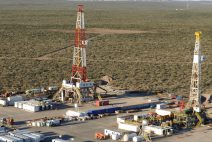
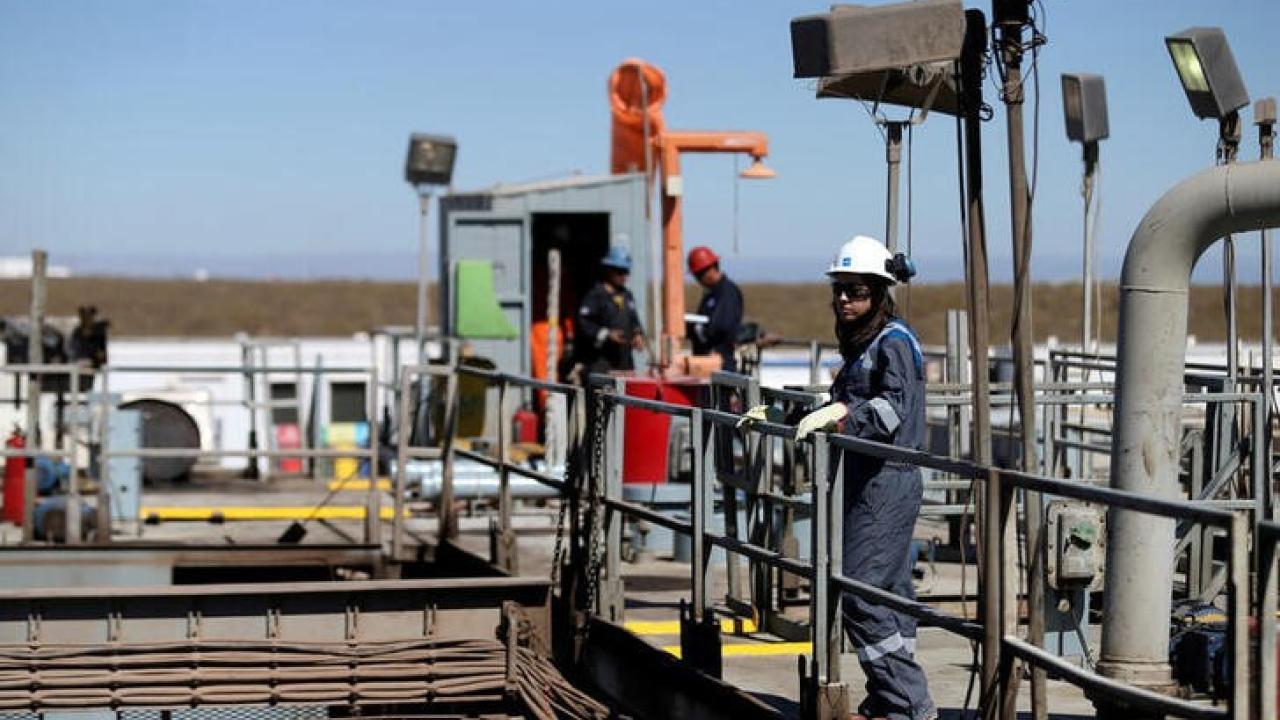
From 3 million barrels per day in January 2008, Venezuela’s production has fallen to about 963,000 bpd last December “due to a lack of investment in the country’s infrastructure,” which requires “major investment to be revitalized,” as there are around 28,000 inactive wells in need of rehabilitation, the consultancy added.
“Venezuelan production could grow if (U.S.) sanctions are lifted, but it would require at least several billion dollars to boost market production to 1.5 million barrels per day over the next 12 to 24 months,” said S&P Energy analyst Jim Burkhard in the report.
The U.S. Department of Energy has announced that Washington will selectively lift sanctions to allow the transport and sale of oil on international markets, but Burkhard said that restoring production to 3 million barrels per day would require “much greater spending on infrastructure.”