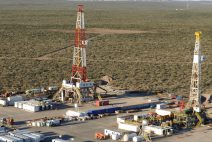
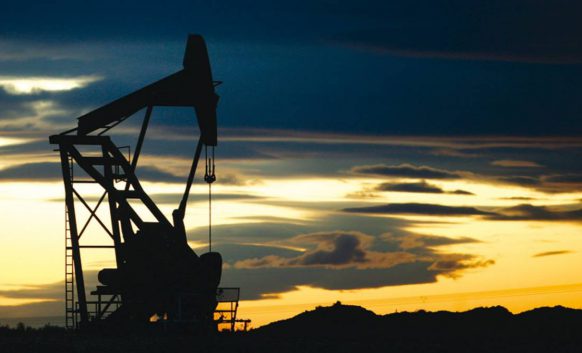
 The drop in oil demand by refiners at local level and the exports limited to a minimum at global level due to the coronavirus pandemic, pushed storage capacity to the limit in the producing provinces
 The British giant said it slumped into a u$s4.4-billion net loss in the first quarter as the coronavirus pandemic crushed demand for oil. "Our industry has been hit by supply and demand shocks on a scale never seen before," BP's CEO stated

 Goldman Sachs said oil prices may rally to as much as $120 a barrel if attacks on shipping in the Middle East rise, and it recommended bets on natural gas and diesel as a way to capture gains
 The US Export-Import Bank plans to fund up to $7 billion worth of critical minerals and energy projects in Argentina, as part of a push to deepen economic cooperation between Washington and Buenos Aires
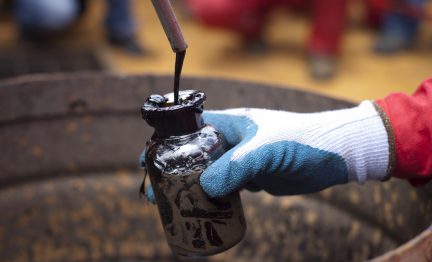 Bank of America analysts have raised their estimates for Brent crude prices in the second half of 2026, citing ongoing geopolitical tensions. The bank lifted its forecast to $95 a barrel from $83 a barrel
 Mercuria and Continental will become equal partners in Phoenix Global Resources. and plan to triple the output to over 100,000 barrels of oil equivalent per day
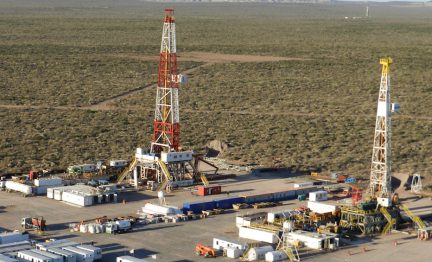 Argentina's Energy Secretariat said the Vaca Muerta shale formation holds an estimated 30.17 billion barrels of recoverable oil, according to a new technical study