











Brent rises 2.2% to $108 a barrel
Brent crude futures for November delivery rose 2.2% to above $108 a barrel in London, as markets continued to monitor tensions in the Middle East
Brent crude futures for November delivery rose 2.2% to above $108 a barrel in London, as markets continued to monitor tensions in the Middle East
Goldman Sachs said oil prices may rally to as much as $120 a barrel if attacks on shipping in the Middle East rise, and it recommended bets on natural gas and diesel as a way to capture gains
Oil prices rose to their highest levels in three weeks as uncertainty over shipping through the Strait of Hormuz and ongoing supply disruptions supported the market
Oil prices edged lower as investors assessed signs that the Gulf states and Iran are moving closer to an agreement to reopen the Strait of Hormuz under a temporary arrangement designed to pave the way for broader negotiations aimed at ending the regional conflict
Oil prices retreated after the latest round of negotiations between the United States and Iran concluded in Switzerland, fueling expectations that additional Iranian crude could eventually return to the international market

The agreement to reopen the Strait of Hormuz has brought swift relief to global markets. However, some traders fear that the stock market rally and the decline in oil prices may have gone too far

Goldman Sachs said in a note that global oil demand has fallen more sharply than expected, creating both upside and downside risks to its fourth-quarter 2026 Brent crude forecast of $90 per barrel and its WTI forecast of $83 per barrel
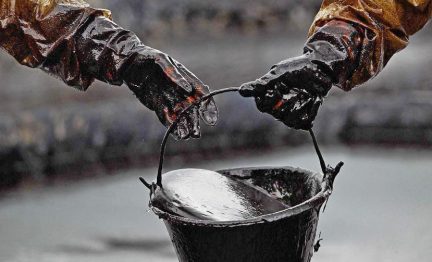
Oil prices fell 4% after U.S. President Donald Trump said that negotiations with Iran were in the final stages, though investors remain wary about the outcome of peace talks as disruption to Middle Eastern supply continues
Oil prices are likely to fall this year as a wave of supply creates a surplus in the market, although geopolitical risks linked to Russia, Venezuela and Iran will continue to fuel volatility, Goldman Sachs said
Oil prices fell by about 2% ahead of a weekend meeting of OPEC+ producers that is expected to consider another increase in production targets in October