















Saudi Arabia’s April crude exports slip to 10-month low
Crude exports from the world’s top exporter slipped to 5.408 million barrels per day (bpd) from 5.427 million bpd in March, while crude output edged lower to 8.134 million bpd in April
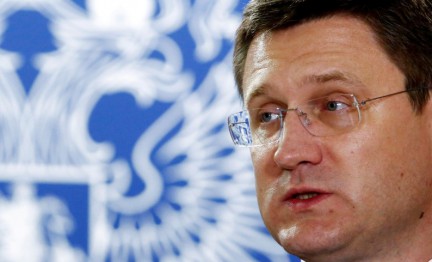
The global oil deficit is now seen at about 1 million barrels per day, Russia’s deputy prime minister Alexander Novak said, days before the OPEC+ top negotiators are to meet
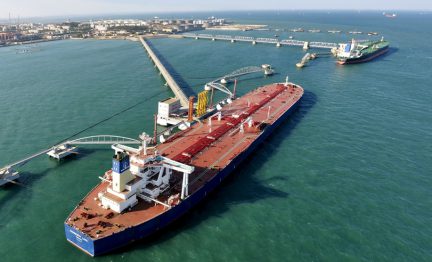
Shipments from Saudi Arabia were 6.47 million tonnes last month, or 1.57 million barrels per day (bpd), hitting their lowest since October, data from the General Administration of Chinese Customs showed
The panel decided to stick to policies broadly agreed at a previous April 1 meeting of OPEC+, Russian Deputy Prime Minister Alexander Novak said after the talks
Saudi Arabia’s crude oil exports fell to their lowest in eight months in February, the Joint Organisations Data Initiative (JODI) said, as the world’s biggest oil exporter voluntarily capped output to support oil prices
Energy giant Saudi Aramco said it has struck a 12.4-billion-dollar deal to sell a minority stake in a newly formed oil pipeline business to a consortium led by US-based EIG Global Energy Partners
Saudi Arabia is prepared to support extending oil cuts by OPEC and allies into May and June and is also ready to extend its own voluntary cuts to boost oil prices amid a new wave of coronavirus lockdowns
Goldman Sachs expects OPEC + to keep its oil production unchanged for May, when the group meets next week, and to continue making “still the big rise of 3.4 million barrels per day that is expected. for September”
With oil prices making steady gains earlier this year, OPEC and other producers had hoped to ease output cuts, but industry sources say a fresh wave of lockdowns around the world threatens to tear up those plans
OPEC+ compliance with oil production cuts in February rose to 113%. The figure compares with a January compliance figure of 103%