



Oversupply looms as OPEC+ struggles to defend prices
All eyes will be on the Organization of the Petroleum Exporting Countries and its allies in 2026, and on how the cartel manages its decision-making process to balance a volatile market
Crude oil output in 2025 will remain at 516 million tonnes, the same level as the previous year, and will rise by 2% in 2026 to 525 million tonnes, Russian Deputy Prime Minister Alexander Novak said
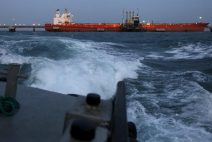
Venezuela’s state oil company PDVSA has begun storing crude oil and fuels on tankers as onshore inventories rise amid U.S. seizures of vessels linked to Venezuela, according to company documents and maritime data
The Council of the European Union has renewed economic sanctions against Russia for a further six months, until 31 July 2026, in response to its war against Ukraine
In its monthly oil market report, the IEA now estimates global supply at 106.2 million barrels per day in 2025, up 3 million bpd from 2024, which is 100,000 bpd less than it forecast in November
The production increase follows a decision by the OPEC+ group of oil-producing countries to implement a moderate rise in production quotas. se in production quotas. Novak also said that Russian companies are increasing investment to meet the higher production quotas set by OPEC+
The decision does not include the potential production increases that eight member countries may agree on, as these nations aim to finish returning to the market the barrels they voluntarily withdrew to support prices
The government said the elimination of export duties aims to preserve activity in mature basins, provide investment certainty, and protect jobs in the sector
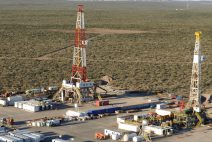
YPF announced that it has reached a production milestone of 200,000 barrels per day of oil in Vaca Muerta. This shale oil production level represents 82% growth in just over two years
Global demand for oil and gas could continue to rise until 2050, the International Energy Agency (IEA) said, marking a shift from its earlier expectations of a rapid transition to cleaner fuels and warning that the world is unlikely to meet its climate goals